Tics & Lyme Disease

A quick word from IGSH. Lyme disease is not just an annoying tick bite — it can become a serious illness. I caught it myself and was diagnosed about a month later, just in time. Left too long it can lead to life-long problems including chronic pain, severe fatigue, brain fog and nerve or joint issues. Many people never even see the tick. Take care — I was bitten on last week’s Hash.
Download a PDF flyer on Lyme disease
What is Lyme disease?
Lyme disease is a bacterial infection spread by the bite of infected ticks. In the UK, the main tick is the sheep/deer tick (Ixodes ricinus).
Early diagnosis and treatment usually lead to a full recovery. Delay can lead to serious, long-term health problems.
Early signs — don’t ignore them
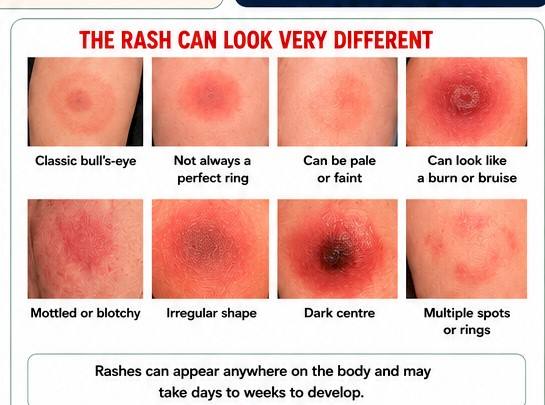
Flu-like symptoms and a rash can appear days to weeks after a tick bite. Watch for fatigue, fever, headache, muscle and joint aches, swollen glands and neck stiffness.
The rash, known as erythema migrans, does not always look like a perfect bullseye. It may be pale, irregular, mottled, darker in the centre or look like a burn or bruise.
Outcomes depend on how quickly Lyme disease is diagnosed and treated
Treated early: days to weeks
Very high chance of full recovery. Symptoms usually resolve completely, with little or no long-term impact.
Delayed: weeks to months
Bacteria can spread to other parts of the body. Recovery can take months and symptoms may come and go. Possible complications include facial palsy, nerve pain, numbness, memory and concentration problems, swollen joints, abnormal heart rhythm, palpitations, dizziness and fainting.
Delayed a long time: months to years
Higher risk of long-term or persistent symptoms, even after treatment. Possible effects include chronic fatigue, ongoing pain and arthritis, cognitive problems or brain fog, reduced stamina and fitness, impact on work, hobbies and quality of life and mental health strain.
Lyme disease is often missed
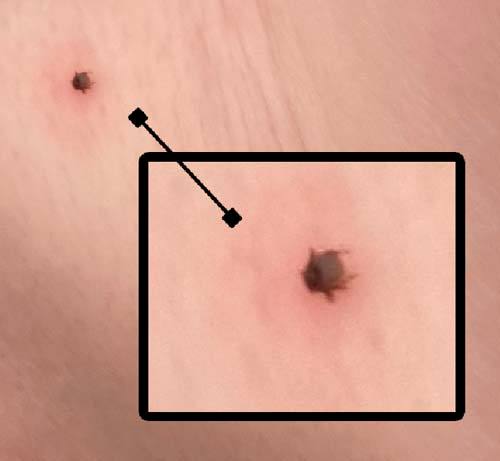
Many people never see the tick that bit them. The rash can be absent or unusual, and symptoms can mimic many other illnesses. If you feel unwell after a tick bite or after running through woodland, long grass or heathland, get it checked.
Protect yourself
- Stick to paths where possible, wear long sleeves and trousers when practical, tuck trousers into socks in long grass, use tick repellent and check your body and kit after every run.
- After you’ve been out check your whole body carefully, including underarms, behind knees, groin, scalp and waist.
- Remove ticks promptly with a proper tick-removal tool.
- Watch for symptoms for up to 30 days and seek medical advice early if you feel unwell.
Check. Protect. Stay safe. If in doubt, get it checked out. On-on!